
Walk with Ease, Run with Frustration? Lets Explain.

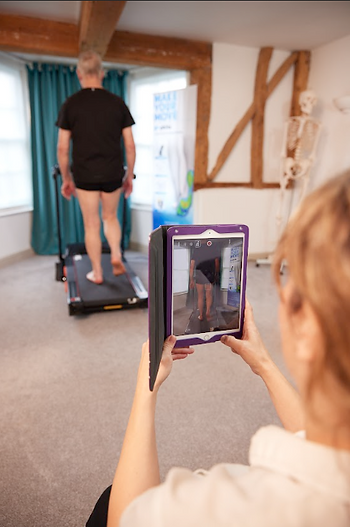
Understanding why walking feels natural but running doesn't.
Have you ever felt like you can walk for miles with ease, but the moment you try to run, everything feels awkward, exhausting or even painful?
You're not alone. Despite both being forms of moving on two feet, walking and running are *very* different activities when it comes to how your body moves and the demands required.
There are many factors to consider when comparing these, in fact you could label them as almost two different sports!
Heres Why:
Different Mechanics, Different Demands
Walking is a low-impact, rhythmical movement where one foot is always on the ground and usually on the heels meets the ground first.
This matters because:
It reduces the force that travels through your joints.
It demands steady muscle endurance rather than explosive power.
It allows your body more time to stabilise with each step.
Walking mainly uses your calves, hamstrings, glutes, and core, interestingly it's HOW they are used - steadily and repetitively.
Strength and endurance are important here, especially in the ankles and calves, which work through a full range of motion, there is a gentle, supportive, helping hand from the ankle joint being in a more closed position (therefore more stable) when you initially contact the ground.
Most people benefit from strength and mobility training outside of the repetitive nature of walking to prevent injury and prepare themselves for bigger, longer walks.
Running, in contrast, is high-impact and dynamic. Both feet leave the ground with each stride, so your body has to catch itself on landing.
This creates:
Increased force through the joints (up to 8x your body weight).
A need for more stability and power in foot stabilisers, glutes, quads, and core.
Less time to correct imbalances or absorb shock.
Many Runners contact the ground with their midfoot or even forefoot. This requires more stabilising from the foot muscles on landing, not to mention greater power in the quads and glutes to push and swing the leg back as it leaves the ground and keep it in alignment. When you walk you have a natural point of contact to the ground at all times and therefore greater proprioception without needing strength to maintain this.
You Can’t Just “Walk Faster”
Trying to run by simply walking faster doesn’t work—it’s a different technique altogether.

Running asks for:
A different arm swing.
Landing with a bent knee to absorb shock.
Better control around the hips and pelvis.
Running has its own technique.
When running the force through your lower body is between 5-8 times your own body weight dependent on your technique. If your technique is off, your body has to compensate, and that's when niggles can appear, or it feels like really hard work and you just aren't enjoying it!
Poor technique = more effort, less efficiency, and more chance of discomfort or injury.
It’s All About the Right Strength
You might have the stamina for a long hike, but running requires a different kind of strength—especially:
Explosive glute and hamstring strength.
Core stability for balance and posture.
Mobile, strong feet and ankles.
If any of these are lacking or not firing properly, your body works harder and less efficiently. Cue: tired legs, sore knees, aching back.
Consider The Ground You Walk On
I reminded myself of this the hard way recently while running on the beach. I could feel my achilles tendon starting to complain, but I was determined to make it to the end. The result? An achilles strain, a very slow hobble back down the beach and no running for me for at least a couple of months. Should I have known better, absolutely!
Beach running is an extreme example—sand constantly shifts underfoot, which demands a huge amount of stability and strength, especially under force. The less stable the surface, the more work your muscles have to do to stay in control.
But even firm surfaces matter. Running on tarmac offers zero give, so your body absorbs all the impact unless your footwear provides cushioning. Supportive, well-fitted shoes become even more important when you're running on harder ground.
Whether it’s sand, grass, gravel, or concrete—consider how the surface you run on could be affecting your body.
Old Injuries Can Still Affect You
Old injuries (even from years ago) can absolutely influence how your body copes with running. A past ankle sprain might have left you with reduced mobility or stability, affecting your stride. A stiff hip or scar tissue from an old surgery can limit your range of motion, which might be no problem at walking pace - but can throw off your balance and mechanics when you try to run.
These limitations can affect:
Range of motion
Stability
Symmetry of your stride
In Summary
Walking and running might look similar—but they use your body in very different ways. Being a strong walker doesn’t automatically make you a strong runner.
Lastly, which ever one your doing, give yourself a huge pat on the back because it takes discipline, motivation, determination and dedication to meet your goal, maintain it, and reap the benefits along the way, we know your future self will be thanking you.

More good news:
With the right strength work, some technique tweaks, and injury-smart guidance, almost anyone can improve their running - or at least find a pace that feels good.
Need help with walking or running technique, injury rehab or strength training? Book a session to get
personalised support and get your body moving with confidence - at any speed!
Written by Emma Mersseman
Back To Your Feet


Comments